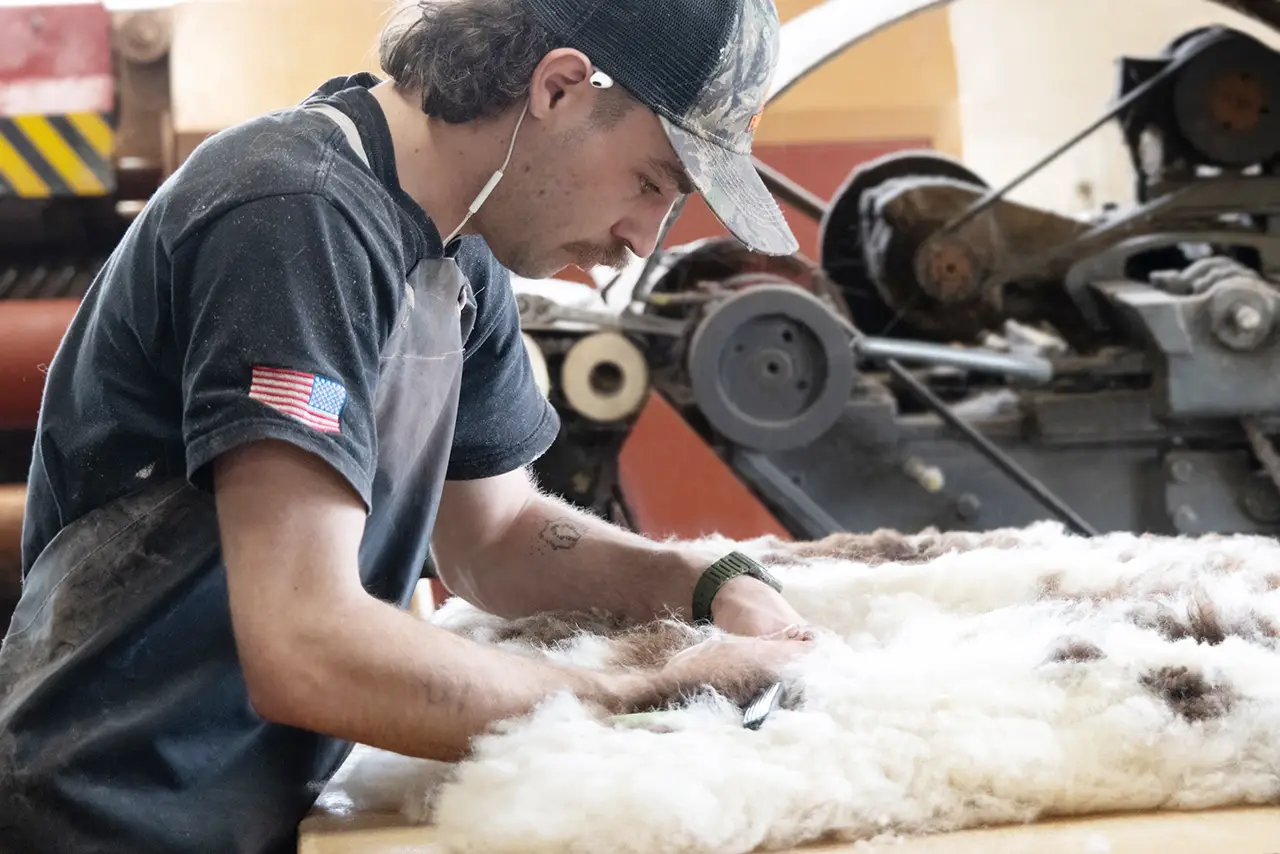
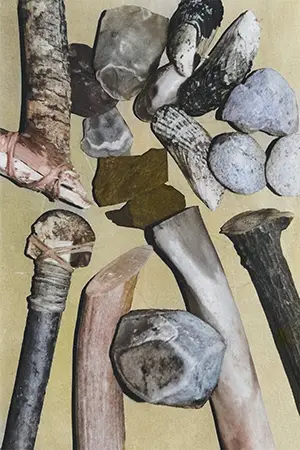
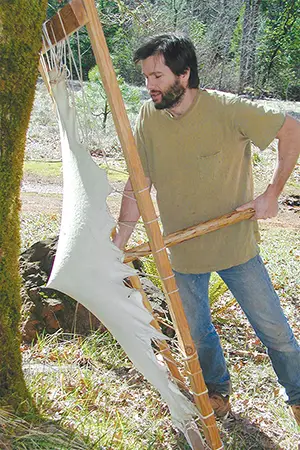
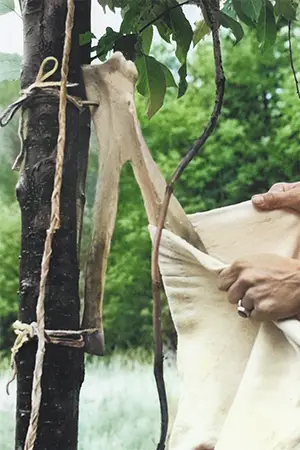
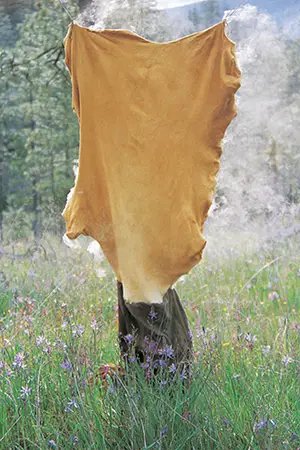
We tan hides using natural and non-toxic inputs that people have used for eons paired with modern tannery equipment.
Welcome to Our Craft Tannery
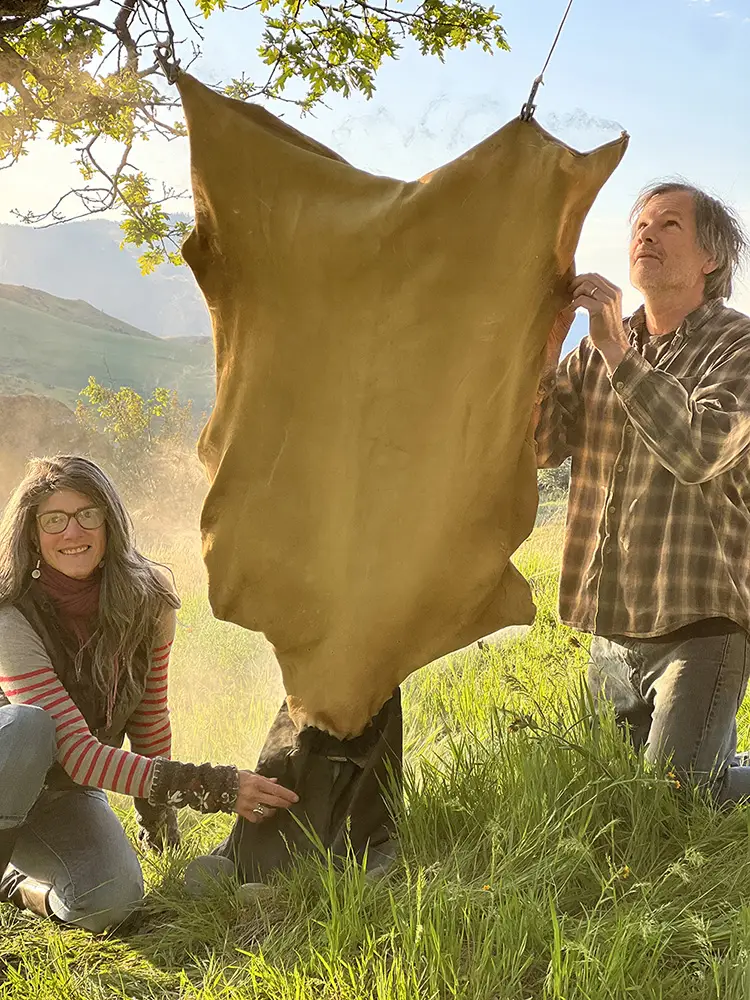
We started in 1989 with a vision to make garments from something totally local and natural. Finding out that hides were frequently just thrown away, we dove into the art of tanning — focusing many years on making buckskin from deer.
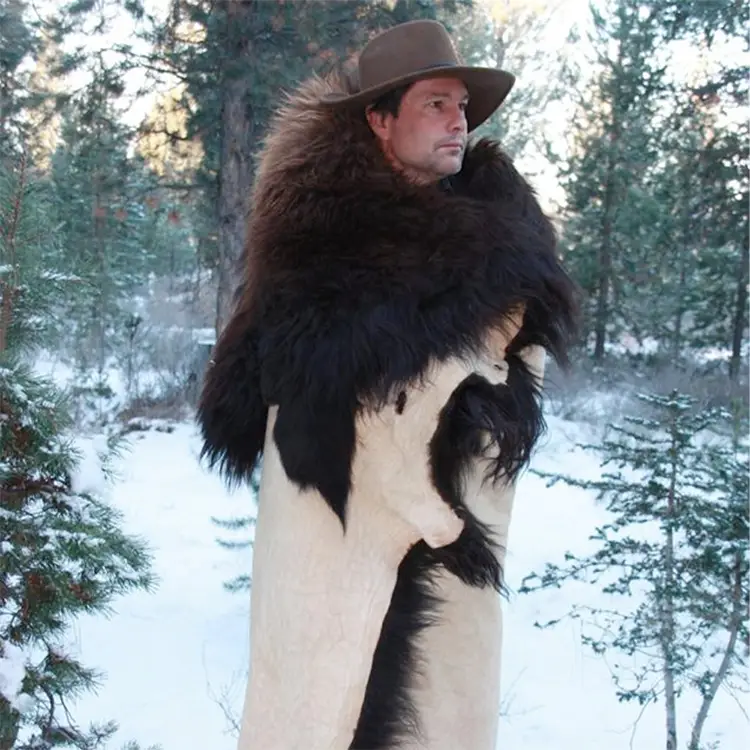
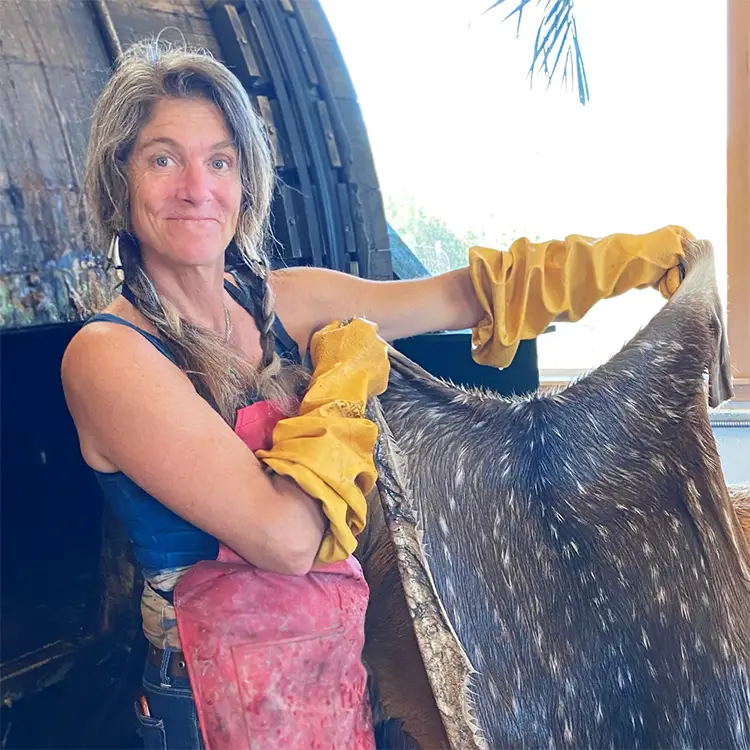
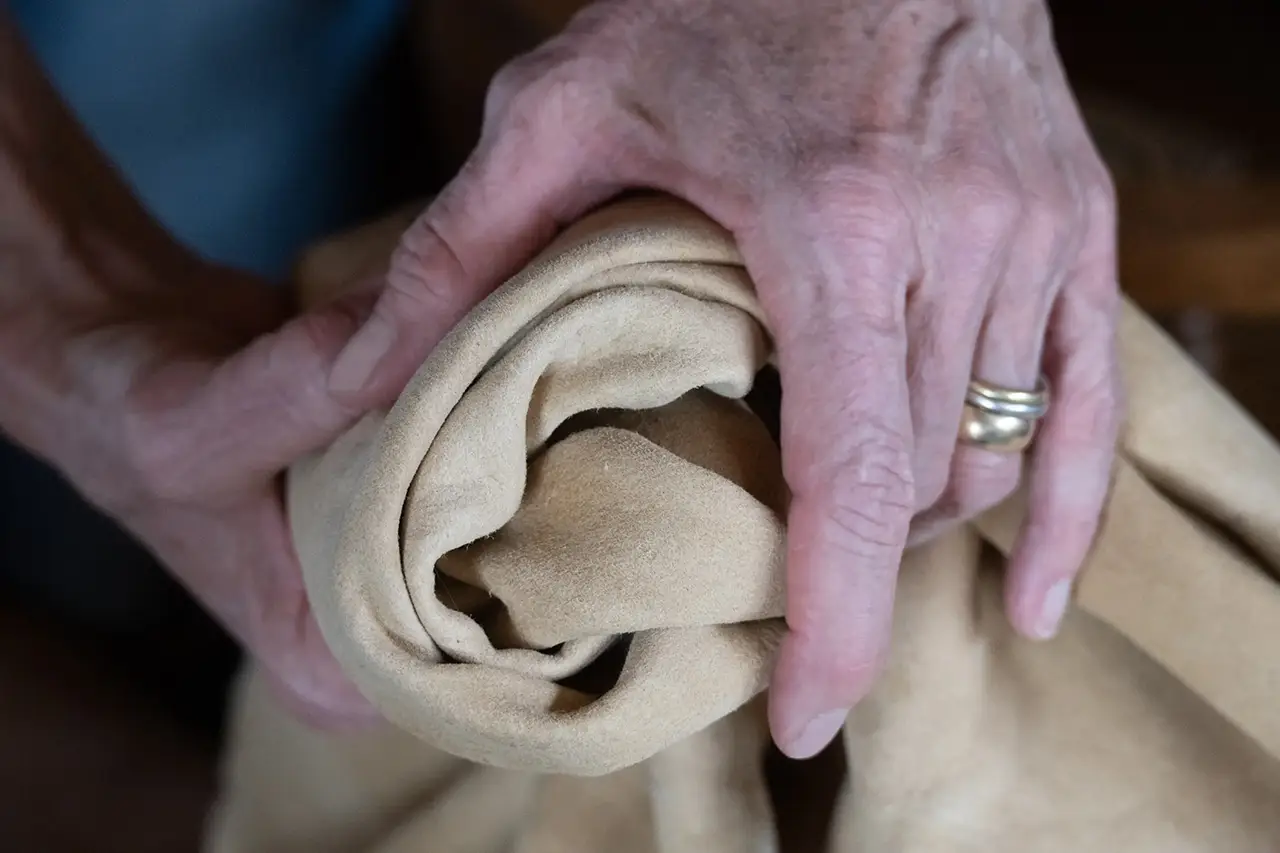
Our roots are in brain tanning and we continue to provide finished brain tanned hides to individuals, tribes, museums and the film industry. We also specialize in buffalo robes, sheep and goat skins, as well as buckskin made out of deer, elk, moose and antelope. None of these animals are harvested for their hides. Instead, their hides are a by-product we prevent from going to waste. In 2007, we became certified organic for tanning sheep and goat skins, and in recent years started to offer a tan and return service for farmers.
We provide tanning education to help re-establish tanning on a more natural and sustainable model in fibersheds throughout the world so that less hides go to waste and our waterways stay clean. We do this through continuous research and development, online classes, in-person classes, internships, consulting and instructional guides.
Our Tanoak Bark Project
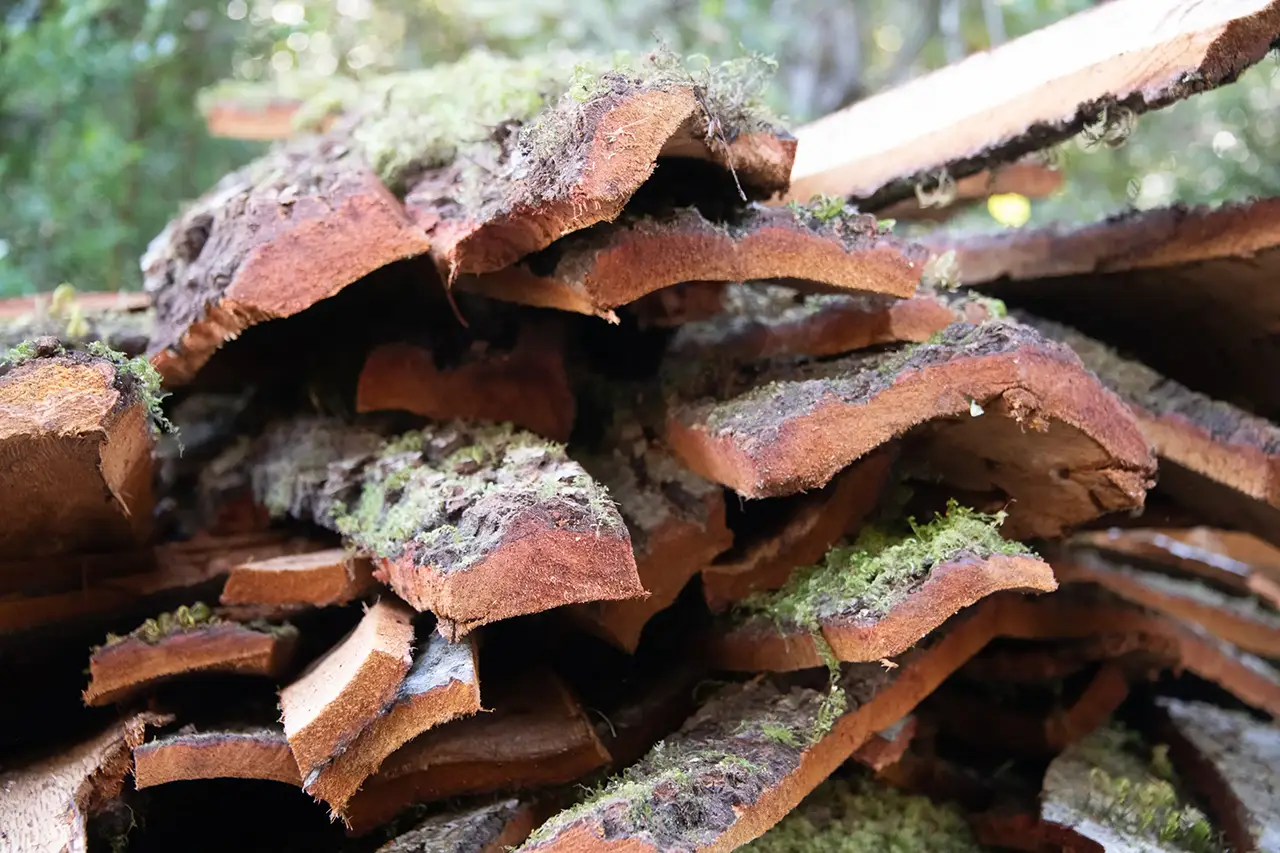
Partnering with the Mendocino Redwood Company, we harvest tannin-rich tanoak bark from local areas that are slated to be logged in place of hack and squirt treatment.
Tanoak was the main source of tannin in northern California before chemical tanning took over. It makes fantastic leather and is another piece of completing the circle of production in the fibershed.
Why Natural Tanning?
Ingredients are natural and normal things that you understand like plant tannins, egg yolk, vegetable oil, salt, vinegar, and lime.
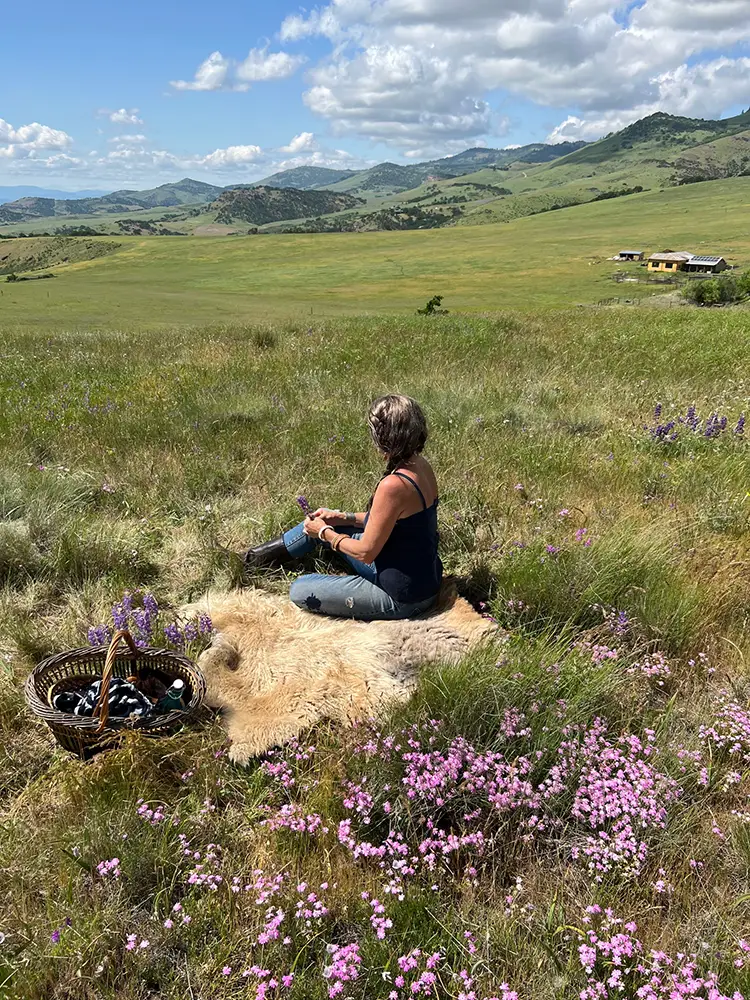
Tannery waste is natural, has great value and is recycled on our ranch.
Safer for wildlife, aquatic ecosystems and the environment as a whole.
Calming, soothing and grounding.
Durable and washable (most chemical tan methods are not washable).
Our Perspective
Natural inputs with a long history of environmental safety
+ Modern equipment and processing
= Real sustainability and real impact
Can leather be the 'most sustainable fabric'?
The fabric is already made, woven at the highest quality — we just need to
clean and preserve it naturally.
Chemical pollution is the main environmental issue in tanning, and it is a big one. Get rid of that and utilize hides that would otherwise go to waste, and leather can indeed be 'the most sustainable fabric'.